Nashville's Remote Podcast Scene: How Music City Is Building the Next Generation of Audio Shows
Nashville has always had the engineers. What changed in the last two years is the indie creator infrastructure.
Written by the Rebel Audio team in Nashville. Topics: local-first recording architecture, -16 LUFS loudness normalization, drift correction mechanics, vertical clip workflows, and the indie podcast scene we're part of. No sponsored posts, no affiliate links.
Nashville has always had the engineers. What changed in the last two years is the indie creator infrastructure.
Riverside, SquadCast, Zencastr, Cleanfeed — each tool makes tradeoffs. We map out where each lands.
TikTok and Instagram Reels reward frequency. Walk through how to identify the three best moments in a 45-minute episode.
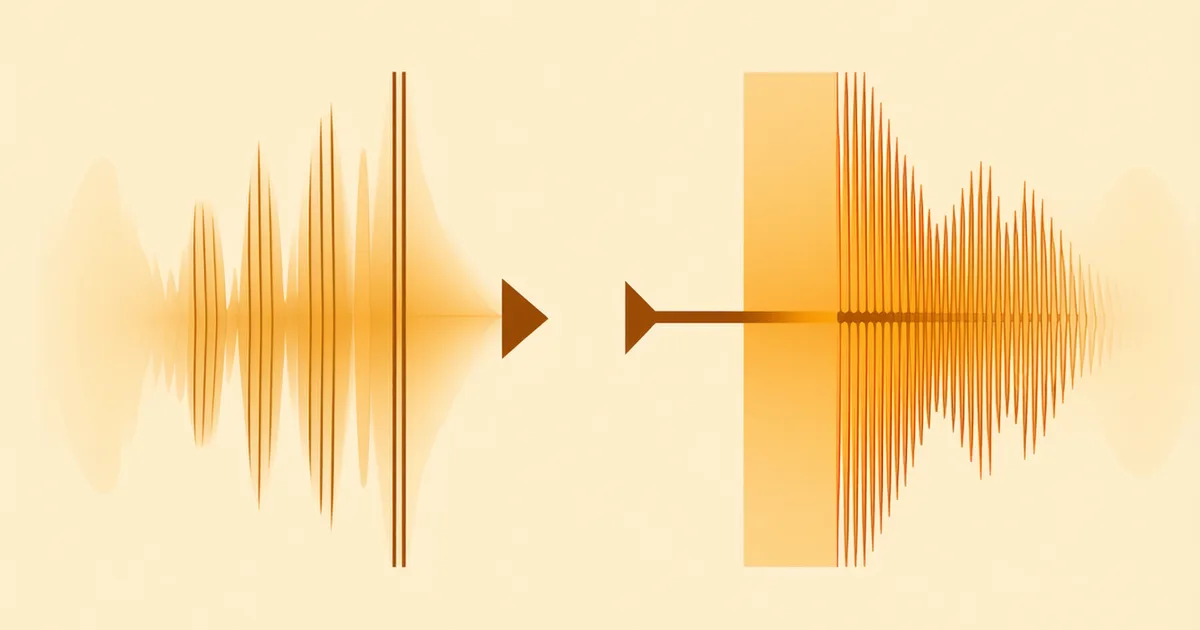
Two hosts on different machines accumulate a tiny clock drift — about 100ms per hour. Here's how we keep multi-track stems frame-accurate.
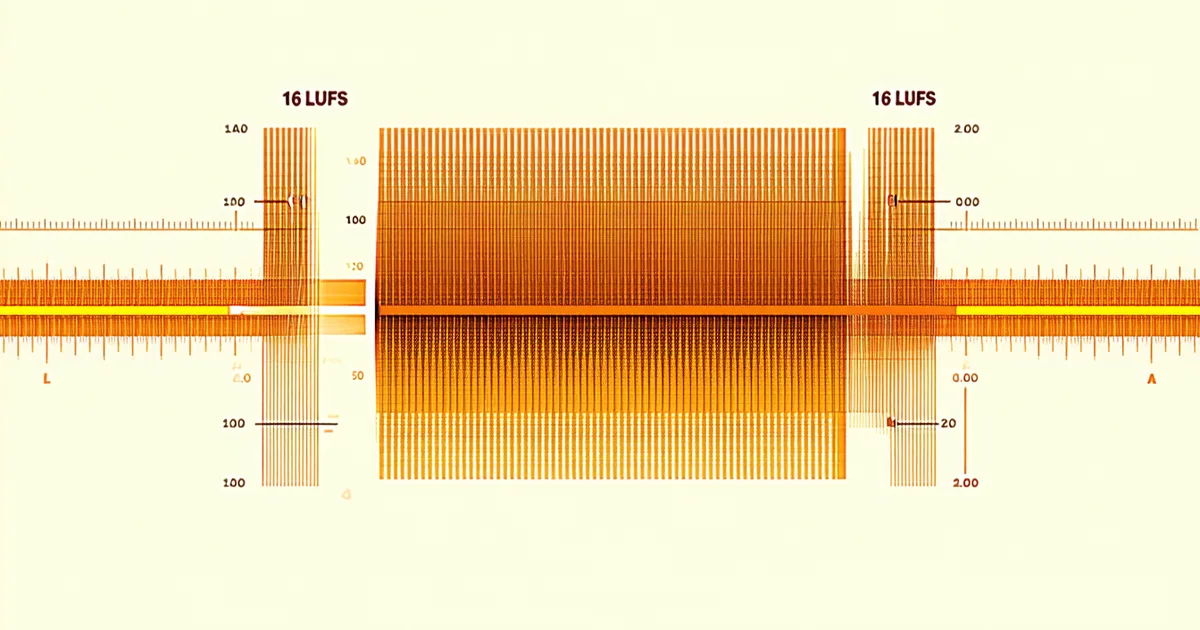
Apple Podcasts and Spotify both normalize to -16 LUFS. Understanding target loudness before you export saves an extra re-master session.
Server-capture tools compress your audio twice before you ever edit it. We break down why locally-tracked audio is the only architecture that survives a spotty hotel Wi-Fi.