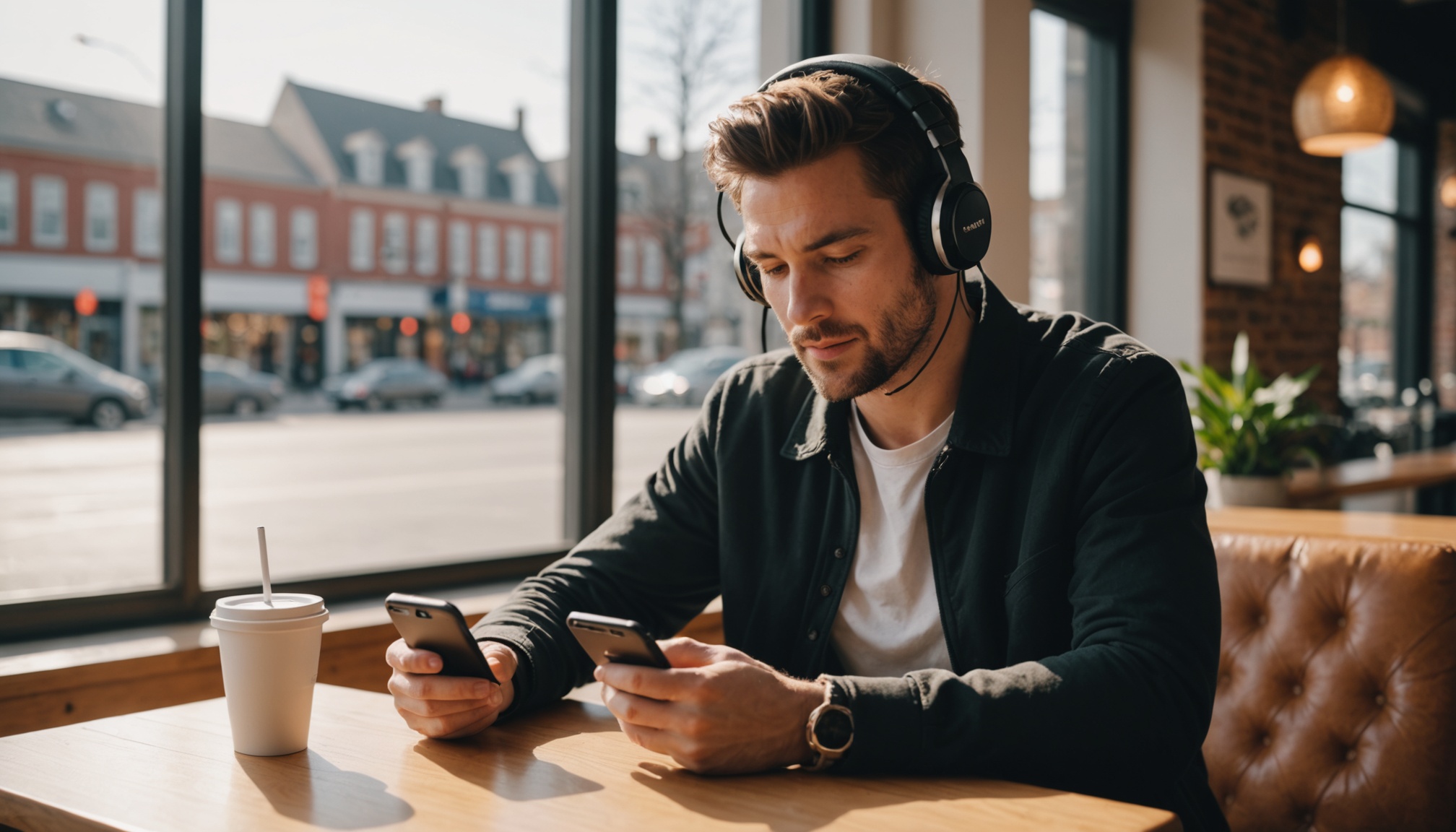
The shows that last are the ones with communities. Not just listeners -- communities. There's a meaningful difference. Listeners consume your content. Community members talk about it, share it, argue about it, and bring new people in. Building that requires deliberate effort, but it's the most durable growth strategy available to an independent creator.
The most common mistake podcasters make is creating content that has no entry point for listener participation. If your episode is a one-way monologue with a clear conclusion, there's nothing for listeners to push back on or add to. Design at least one moment per episode that invites a response -- a question, a debatable claim, an invitation to share a story.
Then actually respond to what comes back. Even a brief acknowledgment in the next episode -- "several listeners wrote in about this" -- signals that the community is being heard and creates a reason to keep engaging.
A community needs a venue. For most podcasters today, that means a platform where listeners can interact with each other, not just with you. The format matters less than the fact of it existing -- Discord, a community forum, even a social media group. What you're creating is a shared space where your listeners can recognize each other as people with something in common.
The healthiest communities are ones where the creator is present but not the center of every conversation. Facilitate, don't moderate. Let the community develop its own dynamics.
The creators who were there from the first 20 episodes get a name, a shoutout, or a mention in relevant episodes. Not every episode -- that would feel forced. But when the moment calls for it, acknowledging the people who were there early is the kind of gesture that creates genuine advocacy. An early listener who feels recognized becomes a recruiter.
Community doesn't happen automatically -- it requires infrastructure. Platforms that build social engagement directly into the listening experience remove friction from community formation. When listeners can react and respond without leaving the app, participation rates are dramatically higher than when community is hosted on a separate platform that requires a separate login.
Community health isn't measured in listener counts. It's measured in the percentage of listeners who are actively engaged -- who comment, share, clip, and reply. A show with 5,000 listeners and 200 who regularly participate is in better shape than one with 50,000 listeners and 10 who engage. The engaged core is your growth engine, your word-of-mouth channel, and your most honest focus group.
Track participation rate over time. A community that's growing in engagement even while overall listener numbers stay flat is a community that's getting healthier. That health compounds into growth eventually.
Community can't be manufactured. A Discord server with 500 members and zero active conversations is worse than no Discord at all -- it signals a show that's trying to perform community without doing the work that creates it. Real community starts with one conversation between two listeners who wouldn't have met otherwise. Your job is to create the conditions for that conversation to happen.
The shows with the healthiest communities are usually the ones where the creator is genuinely curious about their listeners. Not performing curiosity -- actually interested in who's on the other end of the microphone. That comes through, and it's the thing that no tool can replicate. The creators who build the most durable communities are the ones who would make a great show even if no one was listening -- and their listeners can feel that.