The podcast landscape has fundamentally shifted. What worked two years ago -- guest swaps, cross-promotions, directory listings -- still matters, but it's no longer enough to move the needle on its own. The creators who are growing fastest in 2026 are doing something different: they're building social capital around their episodes, not just distributing them.
Downloads are a lagging indicator. A creator with 1,000 loyal, engaged listeners is in a far stronger position than one with 10,000 casual drive-bys. The metric to obsess over in 2026 is listener retention: how far into each episode are people actually listening?
Pull up your analytics and find your drop-off points. Are listeners leaving at the 8-minute mark? That's your intro running too long. Losing half your audience by the 20-minute mark? Your structure needs tightening. Retention data is the most honest feedback you'll ever get.
The best growth channel for podcasters in 2026 is word-of-mouth from existing listeners. But for that to happen, you need to make sharing frictionless. Before you record, ask yourself: what is the one moment in this episode that a listener would want to send to a friend?
Design that moment deliberately. A counterintuitive take. A specific framework. A memorable phrase. Social clip tools can extract it automatically -- but the content has to be there first.
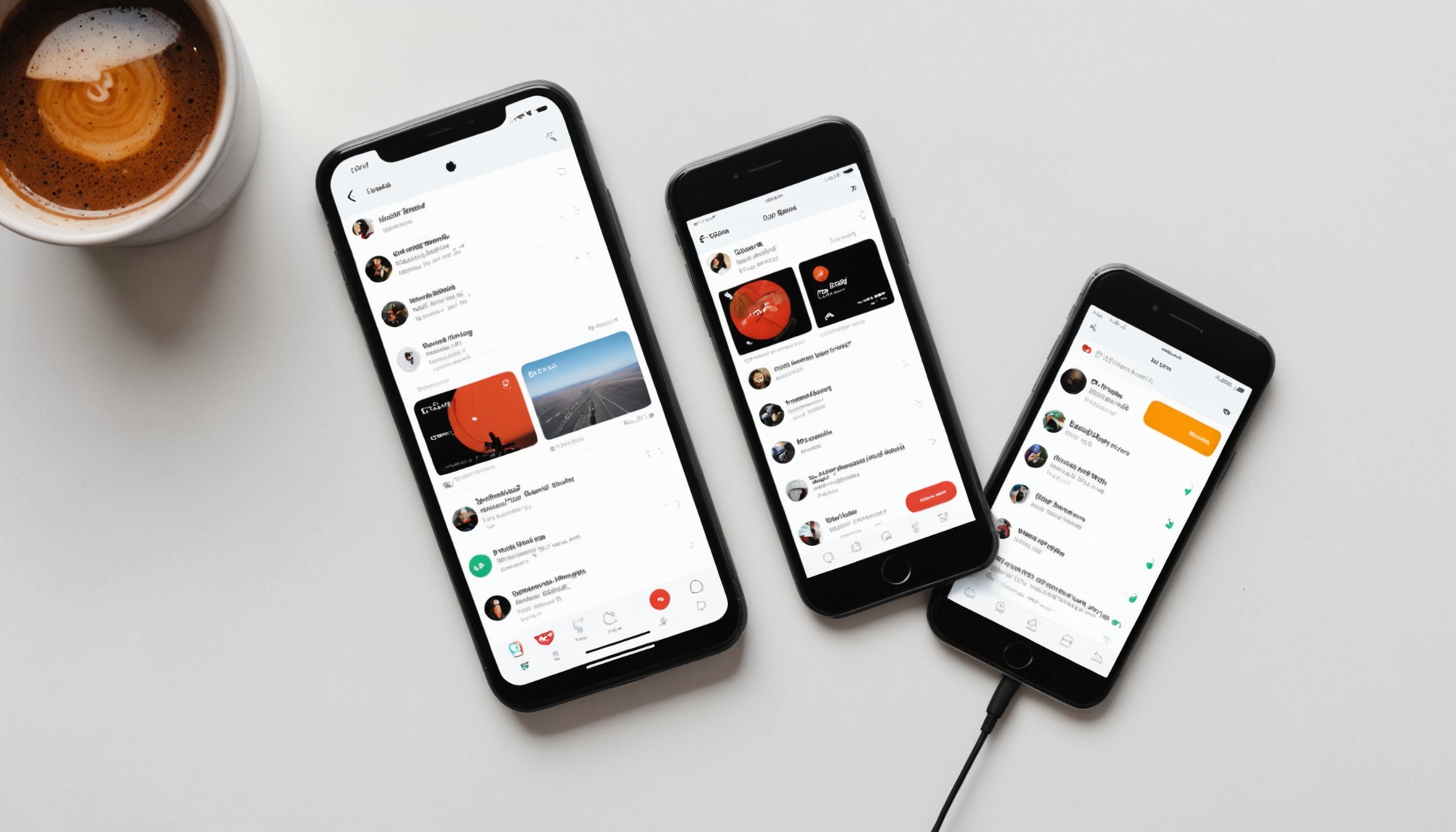
Platforms that allow listeners to react at specific timestamps, leave comments tied to moments in an episode, and share clips with their own commentary are driving outsized growth for creators willing to engage with that conversation.
When a listener clips a moment and shares it, they're not just spreading your content -- they're endorsing it. That endorsement carries far more weight than a generic show recommendation. Lean into it.
Guest appearances are still valuable, but the format has evolved. The highest-ROI collaborations in 2026 aren't two-hour conversational interviews -- they're tightly produced 20-minute joint episodes where two creators tackle a specific question and share it to both audiences on the same day.
Find creators in adjacent niches (not direct competitors), agree on a specific topic, and ship it fast. The energy of a constrained format is often better than the sprawl of an open-ended conversation.
A creator who publishes every week for a year will almost always outperform a creator who ships three episodes in a month and then disappears for six weeks. Listeners build habits. Habits drive subscriptions. Subscriptions compound.
Use scheduling tools to batch your recording sessions and release on a predictable cadence. Your audience will learn to expect you -- and absence will start to feel like a miss, not the default.
Guest appearances are still valuable, but the highest-ROI collaborations in 2026 aren't two-hour conversational interviews -- they're tightly produced 20-minute joint episodes where two creators tackle a specific question and release it to both audiences simultaneously. The focused format converts better than the sprawling conversation.
Newsletter swaps and social clip exchanges are also underused. If you have a newsletter, swap a recommendation with a show in an adjacent niche. If you're creating social clips from your episodes, ask guests to share their specific moment. These micro-collaborations take 10 minutes to set up and generate meaningful discovery when done consistently.
Audience growth is a lagging indicator. The work you do today -- the quality of the episode you publish this week, the community you engage with, the cross-promotion you set up -- shows up in your subscriber numbers 30 to 90 days later. The creators who get discouraged are often the ones measuring the wrong thing at the wrong time.
Track the inputs: episodes published on schedule, clips created and shared, listener messages responded to, guests collaborated with. If the inputs are consistent, the outputs follow. This is true at 100 subscribers and at 100,000.